
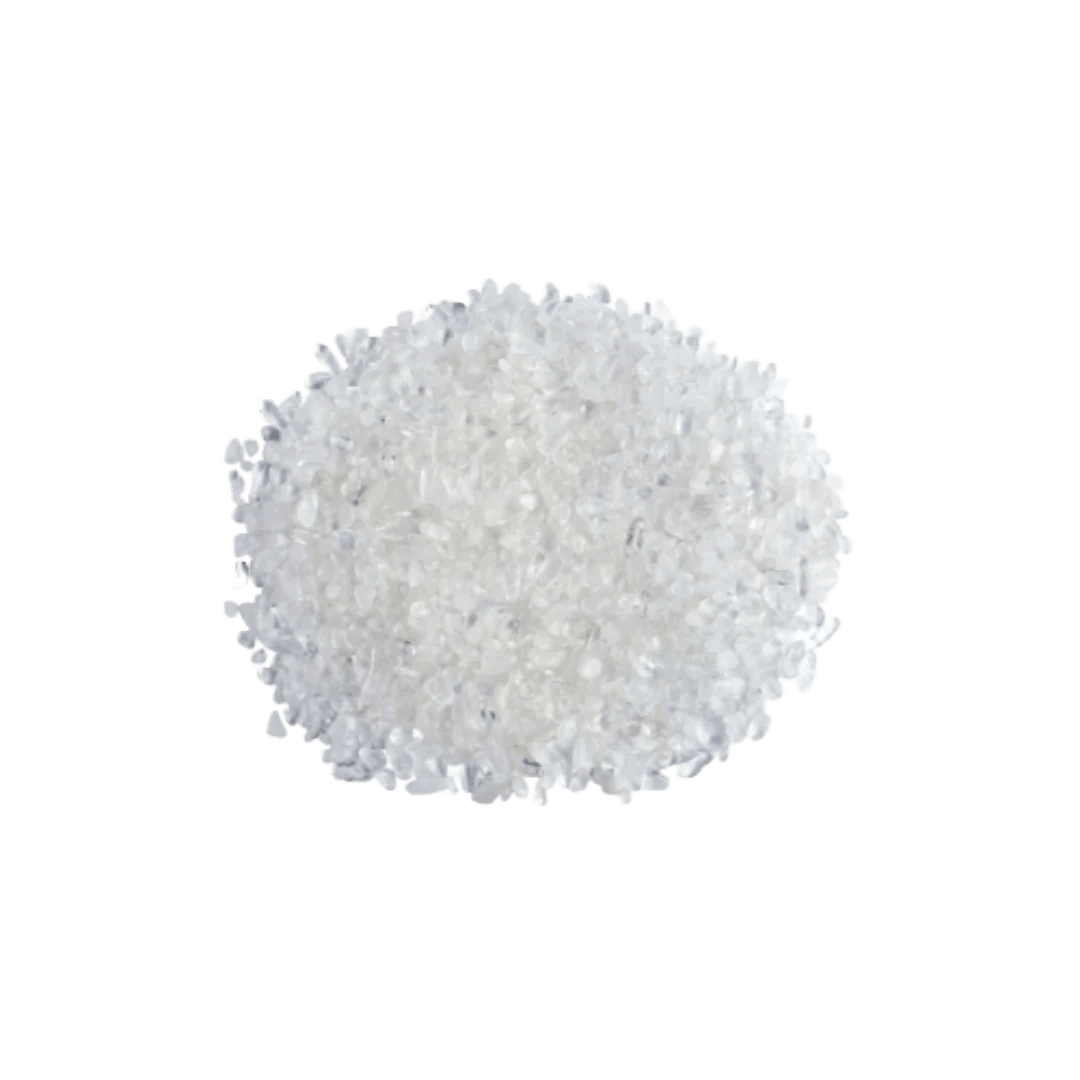
Buy 3F-PCP Crystal Online | Lab-Verified Dissociative Research Chemical
Are you conducting advanced neuropharmacological research into NMDA receptor interactions or monoaminergic signaling? Buy 3F-PCP Crystal Online (3-MeO-PCE) is a high-potency synthetic arylcyclohexylamine and a structural analogue of eticyclidine (PCE) and 3-MeO-PCP.
For research institutions and analytical laboratories looking to buy 3-MeO-PCE online, sourcing an analytical-grade powder is critical. This form ensures maximum chemical stability and provides the necessary solubility for creating precise molar concentrations in in vitro assays or behavioral modeling protocols.
Pharmacodynamics & Molecular Mechanism
3-MeO-PCE is characterized by a sophisticated pharmacological profile that distinguishes it from other dissociatives in the arylcyclohexylamine class:
-
Antagonism of the NMDA Receptor: Like its parent compound PCE, 3-MeO-PCE acts as a high-affinity non-competitive NMDA receptor antagonist. It binds to the phencyclidine site within the ion channel, blocking the flow of excitatory ions.
-
Monoaminergic Modulation: Unique to the 3-methoxy substituted analogues, 3-MeO-PCE exhibits significant affinity for the serotonin transporter (SERT), acting as a reuptake inhibitor. This dual-mechanism profile makes it an essential subject for studies on the intersection of glutamatergic and serotonergic pathways.
-
Structure-Activity Relationship (SAR): The inclusion of the 3-methoxy group on the phenyl ring significantly alters the compound’s potency and metabolic pathway compared to unsubstituted PCE.
Primary Research Applications
3-MeO-PCE analytical standards are utilized globally in several specialized scientific domains:
-
Neurobiology of Mood Disorders: Studying how the combined effects of NMDA antagonism and serotonin reuptake inhibition affect synaptic plasticity and neurogenesis.
-
Forensic Toxicology: Developing validated detection methods using LC-MS/MS and GC-MS to differentiate 3-MeO-PCE from its isomers in biological and forensic samples.
-
Behavioral Modeling: Investigating the dose-dependent effects of the compound on locomotor activity, cognitive flexibility, and sensory processing.
-
Pharmacokinetic Profiling: Mapping the metabolic breakdown of 3-methoxy substituted arylcyclohexylamines to identify specific biomarkers and clearance rates.
Technical Specifications
| Feature | Details |
| IUPAC Name | N-ethyl-1-(3-methoxyphenyl)cyclohexan-1-amine |
| CAS Number | 1364933-54-9 |
| Molecular Formula | $C_{15}H_{23}NO$ |
| Molecular Weight | 233.35 g/mol |
| Purity Grade | Analytical Research Grade ($\ge$98%) |
Safety, Regulatory Compliance, and Procurement
3-MeO-PCE is strictly intended for laboratory research and forensic applications. It is NOT for human or veterinary consumption.
-
Legal Status: 3-MeO-PCE is subject to various international regulations. In many jurisdictions, it is classified under “Analogue Acts” (such as in the USA) or specifically controlled (such as in the UK, Germany, and the Netherlands). Researchers must ensure all procurement complies with local, state, and federal laws.
-
Handling Requirements: Due to its high potency, this compound must be handled in a professional laboratory environment. Use of a fume hood and appropriate Personal Protective Equipment (PPE) is mandatory.
-
Documentation: Every acquisition of 3-MeO-PCE should be accompanied by a comprehensive Safety Data Sheet (SDS) and a Certificate of Analysis (CoA) to verify purity and safety parameters.
Why Source Through Professional Channels?
When performing high-stakes research, the presence of unreacted precursors or synthesis impurities can compromise data integrity. Sourcing through a legitimate research chemical supplier ensures that your laboratory receives a validated, high-purity product designed specifically for rigorous scientific analysis.
| Quantity in 0.5grams | 10, 2, 5 |
|---|
Related products

3-MeO-PCP

2-MMC
3-MeO-PCP

3-MeO-PCP

3-MeO-PCP

3-MeO-PCP

3-MeO-PCP
3-Me-PCE