
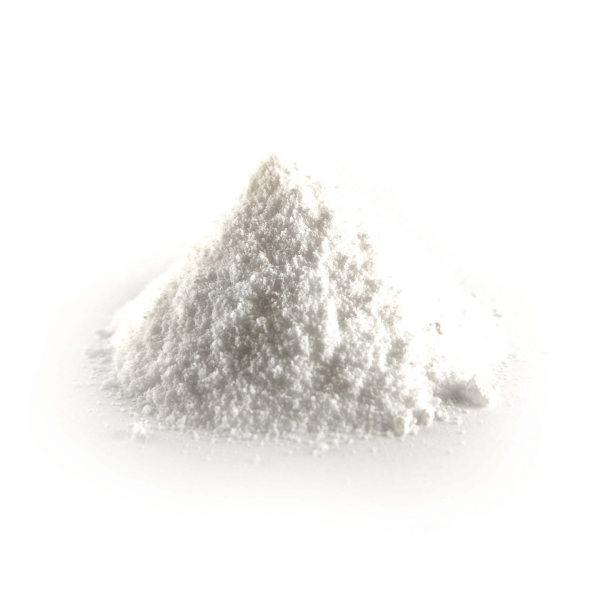

Buy 3-MeO-PCE Powder | Premium Grade Research Chemical For Laboratory Use
Are you seeking validated analytical data on Buy 3-MeO-PCE Powder for neuropharmacological or dissociative-state investigations? 3-Methoxyeticyclidine (3-MeO-PCE) is a synthetic arylcyclohexylamine and a structural analogue of eticyclidine (PCE) and 3-MeO-PCP. Within the scientific community, it is a primary subject for researchers investigating NMDA receptor antagonism, serotonin reuptake inhibition, and the impact of methoxyl groups on the potency of dissociative agents.
For laboratories looking to buy research chemicals online, utilizing high-purity 3-MeO-PCE powder ensures maximum solubility and allows for the preparation of precise molar solutions for in vitro assays and controlled behavioral modeling.
Chemical Structure & Pharmacodynamics
The pharmacological profile of 3-MeO-PCE is defined by its interaction with several neurotransmitter systems. The methoxy substitution at the 3-position of the phenyl ring significantly influences its binding kinetics:
-
Glutamatergic Modulation: 3-MeO-PCE acts primarily as a high-affinity non-competitive NMDA receptor antagonist. Researchers study how this blockade influences excitatory signaling and synaptic plasticity.
-
Monoaminergic Activity: Unlike many other dissociatives, 3-MeO-PCE possesses a significant affinity for the serotonin transporter (SERT), acting as a reuptake inhibitor. This dual-action profile is a key focus for studies on mood modulation.
-
Molecular Integrity: The high-purity powder form provides excellent chemical stability, which is vital for long-term longitudinal studies where compound consistency is paramount.
Primary Research Applications
3-MeO-PCE analytical standards are essential for several advanced scientific domains:
-
Dissociative State Modeling: Investigating the compound’s impact on sensory perception, locomotor activity, and cognitive focus in controlled models.
-
Neurobiology of Mood: Assessing how the combination of NMDA antagonism and serotonin modulation influences psychological states and emotional regulation.
-
Forensic & Analytical Toxicology: Establishing precise retention times and fragmentation patterns using LC-MS/MS to distinguish 3-MeO-PCE from 3-MeO-PCP and other isomers.
-
Structure-Activity Relationship (SAR): Mapping the PCP-binding site of the NMDA receptor to understand how the methoxy group influences ligand potency and selectivity.
Technical Specifications
| Feature | Details |
| IUPAC Name | N-ethyl-1-(3-methoxyphenyl)cyclohexan-1-amine |
| CAS Number | 1364933-54-9 |
| Molecular Formula | $C_{15}H_{23}NO$ |
| Formulation | High-Purity Powder |
| Purity Grade | Analytical Grade ($\ge$98%) |
Safety, Regulatory Status, and Procurement
3-MeO-PCE is intended strictly for laboratory research and forensic applications. It is not for human or veterinary consumption.
-
Regulatory Compliance: Researchers must verify the legal status of arylcyclohexylamines within their specific jurisdiction. 3-MeO-PCE is subject to restrictive scheduling in many countries under “Analogue Acts” or specific controlled substance lists.
-
Handling Protocols: As a potent dissociative and NMDA antagonist, 3-MeO-PCE must be handled in a controlled laboratory setting using appropriate Personal Protective Equipment (PPE).
-
Documentation: Every order includes a comprehensive Safety Data Sheet (SDS) detailing chemical stability, solubility, and secure disposal methods.
Why Source Buy 3-MeO-PCE Powder Through Verified Channels?
Reliable scientific results depend on the use of research materials free from residual solvents or unreacted synthesis precursors. Sourcing through a legitimate research chemical supplier ensures that your 3-MeO-PCE powder meets the rigorous assay requirements necessary for specialized neurological and toxicological research.
Related products
3-HO-PCP

3-MeO-PCP
3-MeO-PCP
3-MeO-PCP

3-Me-PCE

3-MeO-PCP

3-Me-PCP
Buy Pellets